That which we do unto each other

Jon Stewart is clear about what his job entails, and on my birthday he chose to not do it on account of the Charleston church shootings. And boy does he do a good job of explaining why:

I honestly have nothing other than sadness that once again we have to peer into the abyss of the depraved violence that we do to each other and the nexus of a just gaping racial wound that will not heal yet we pretend doesn’t exist. I’m confident though that by acknowledging it—by staring into it—we still won’t do jack shit. That’s us. And that’s the part that blows my mind…

Like Jon Stewart, I can get absolutely paralyzed from the despair of witnessing that which we humans do unto each other. But I cannot allow myself to get stuck there; I chose not to stay there, because from that place I don’t have the ability to act. I freeze into nothingness there. That’s the place of doing jack shit.

I need to take the leap into hope, to love, because from that place I can act. And we all can. Act, I mean. We cannot save the world entire, by ourselves, but I can do my part. And you can do yours. Perhaps that’s the first step? The realization that my part plays a roll?


Humble Brush

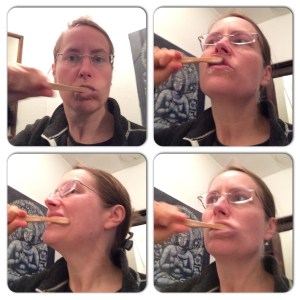
Såg Humble Brush susa förbi i mitt flöde, kanske tom som en Facebook-annons, sådana där som jag blivit fantastiskt bra på att bara ignorera. Men oavsett var det var så hajade jag till och tänkte, en sån vill jag prova. Kollade om de fanns till salu i Malmö eller om jag behövde beställa online, men sörru, mitt lokala ICA Maxi Toftanäs stod angivna som återförsäljare. Så endera dagen då jag faktiskt kom ihåg det så bestämde jag mig för att plocka ner en sådan i kundvagnen. Fast jag hittade den inte. Fick fråga. Stod inte bland alla tandborstar, tandkrämer och dylikt, utan på en egen ekologiskt-hylla tillsammans med ett hyfsat ok ekologiskt utbud av hygienprodukter. Så jag grabbade fatt i en snygg förpackning med en Humble Brush med rosa borst och gick glad mot utgången. humble brush

Jaha, men vad är en Humble Brush då???

Jo. En tandborste. En reko tandborste, gjord i bambu och nylon (BPA-fritt), och i en förpackning av återvunnet material. Dessutom skänker Humble Brush motsvarigheten till en tandborste för varje såld dito. Ja, det verkar överlag vara ett företag som verkligen tänkt till, så klicka dig vidare till deras hemsida och läs mer om tankarna bakom Humble Brush.

tandborstning

Borstat tänderna med denna tandborsten i ett par veckor nu, och även om den känns ganska udda till en början (materialet, men också formen där delen där borsten sitter är lite grövre än jag vant mig vid, de senaste åren) så har jag vant mig, och gillar den. Inte minst känns det ganska bra att veta att jag inte bidrar med en av de två miljarder (!) tandborstskaft av plast som varje år hamnar på deponi nånstans.

Två. Miljarder. MILJARDER! Årligen. Gisses. Det är så absurt! Frågan som Julia Butterfly Hill ställer om var ”bort” är när vi ”kastar bort något” är onekligen en fråga värd att fundera över både en och två gånger. Dagligen. Minst.

Så jag tackar Humble Brush för ett initiativ som jag tycker är lovvärt, och tänker att jag absolut kan tänka mig att shoppa en Humble Brush nästa gång det är dags för tandborstbyte här hemma. Varför inte prova du med?


Podcast 24/52 – I wanna be a farmer!

Man, this was such a surprising episode with fact upon fact that made me drop my jaw, over and over again. Just incredible! What, what, what, you ask, eagerly, wanting to know what made my mind do cartwheels while listening.

Peak Prosperity on Sustainable farming 2.0 with Paul and Elizabeth Kaiser. That’s the one. That’s the podcast you just must listen to. And I really mean it, even if you have no inkling whatsoever to farming or even cultivating the teeniest carrot in your garden.

I just didn’t know. There’s so much that is wrong with the way humans cultivate the land today, and even though Paul and Elizabeth can only briefly describe some of the things they do differently, the results they are getting speak for themselves. At their farm, Singing Frogs Farm, They gross a whooping 5 times more per acre than the California average gross revenue per acre. Five times. Let me spell that out for you again: FIVE TIMES.

And they do it, possibleby working with nature rather than against it. If I am to sum it up, that’s what I would say. They go with the design of nature, rather than oppose it. Simple eh? Well. Yeah. But apparently not. Since they are a rare exception to the rule. But hopefully, the results they are getting will speak for itself, and will make more people open their eyes to what is possible when we shift from against-ness to with-ness.

After listening to the podcast, I am definitely thinking about what I can do in the garden at home, in the vegetable patches as well as the flower beds and so on. And while I might not pack up and buy a farm, I will definitely be rethinking my current gardening practice. I have no doubt that I will bring some of these things into my gardening from now on. Because it feels like there’s no turning back. I’ve seen something that cannot be unseen. Like cracking the reading-code. Once I got it, it was hard to understand what it felt like before I could read.

Please listen to this episode and let me know if you were as surprised as I. If so – what surprised you the most?

Podcast 23/52 – the wisdom of tenderness

I can’t help it. Here’s another On Being-episode that I so hope you will listen to. Krista Tippett in a conversation with Jean Vanier, an episode recorded in 2007 when he was 79 years old. Jean is the founder of L’Arche, just having celebrated it’s 50th anniversary, hence the re-broadcast of the interview. And I am grateful for that, since I might not have discovered this particular episode in the archives of On Being otherwise.

(But there’s a thought – how many other gem’s are hidden in the archives? I might just set my mind to listening through all of On Being, every episode produced…. now there’s a quest!)

Being very interested and involved in the school debate and the educational system, I found this bit especially interesting to listen to:

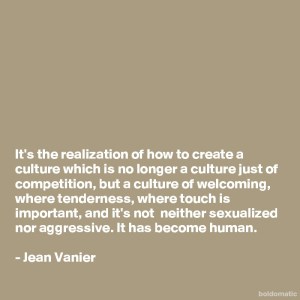
The balance of our world frequently is seen as a question of power. That if I have more power and more knowledge, more capacity, then I can do more. […] And when you have power, we can very quickly push people down. I’m the one that knows and you don’t know, and I’m strong and I’m powerful, I have the knowledge. And this is the history of humanity. And that is all of what I’d call the whole educational system, is that we must educate people to become capable and to take their place in society. That has value, obviously. But it’s not quite the same thing as to educate people to relate, to listen, to help people to become themselves. 

BoldomaticPost_It-s-the-realization-of-how-t

There’s something to ponder, for me, and others, of whom I ask the question Why school? The reason for asking, for me, is to get people thinking about the society we create, through the whole educational system (as well as other structures, but for me, the educational system and family are the top two factors.), and if we are creating that which we want to see more of. Like Jean Vanier said, capable people taking a place in society is all fine and dandy. But then what? What else is needed/desired?

L’Arche, which centers on sharing the lives of people with intellectual disabilities, is new to me, as Jean Vanier is. I get intrigued, as I listen to what Jean speaks about, which is the thing I dream of. A world of people becoming themselves, relating and listening, sharing tenderness and love. A culture of welcoming. To and of all.

Fascinating to listen to the wisdom of tenderness this old gentleman has, towards life, all of it, regardless. And to hear him speak of growing older, and absolutely loving it. Witnessing the increasing frailty of his own body, being in total acceptance that his mind no longer can keep up as it used to, that his body demands an afternoon nap and so on. It’s just pure love. Magnificent.

What if…. I met the world from the wisdom of tenderness? What if…. we all did?


Njutning i det lilla

pajTog en promenad på eftermiddagen i syfte att plocka nässlor, kirskål och löktrav till kvällens middag, en fetaostpaj med naturens gröna guld.

Stod i godan ro längs Risebergaån och klippte toppen av nässelplantor och puttade ner i en papperspåse när det helt plötsligt föll en vit fågelskit på nässlorna lite längre in i snåret. Stod precis vid ett träd, så jag tittade upp och mindre än metern bort, rakt framför näsan på mig, satt en liten kråka och såg sig fridfullt omkring.

kråka

Pillade upp min fån, tog ett par foton och plockade sedan vidare. Kråkan satt kvar och höll mig sällskap tills jag styrde kosan hemåt.

Det bereder mig sådan njutning, i det lilla, att få dela en stund med lilla kråkan, att kunna ta en sväng ut på Bulltofta och plocka ingredienser till kvällsmaten, att knäcka ägg efter ägg från våra tre hönor ner i pajens äggstanning.

Livet. Vilken njutning det är!


Love. Is.

Love has no labels:

It’s been a while since I watched this the first time. So I just watched it again. And tears fall from my eyes. Because love is. No labels. No bias. It’s pure.

And still – sometimes I catch myself putting labels on love. Judging some relationships as being more true and hence worthy of admiration, and some relationships as less worthy, trying to figure out how it’s possible for love to exist in such circumstances.

That’s on of my biases on love. And I am glad I see it. Because awareness is a great first step towards getting rid of them.

Where does your bias concerning love lie?

Vatten, lille vän!

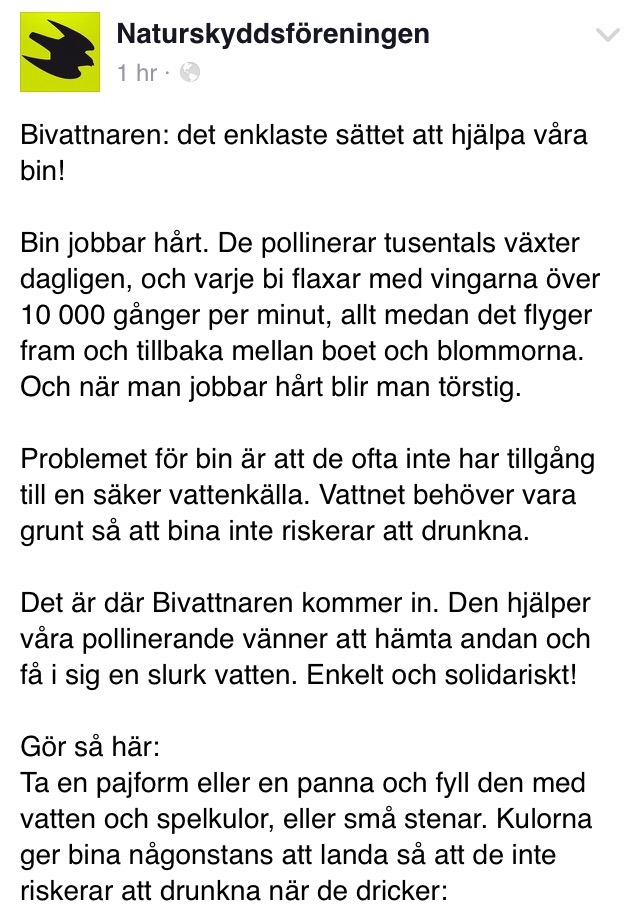
Läste ett inlägg på Facebook av Naturskyddsföreningen med ett tips på hur man kan säkra att bin och andra av våra livsviktiga pollinerare får möjlighet att dricka vatten, vilket tydligen är en av de svårigheter som de små krypen stöter på i sin vardag. Inte så konstigt kanske, så lite vattendrag som finns kvar, rent generellt. Och bina behöver just grunda vattendrag, för att inte drunkna. 


Instruktion: Bivattnare

 
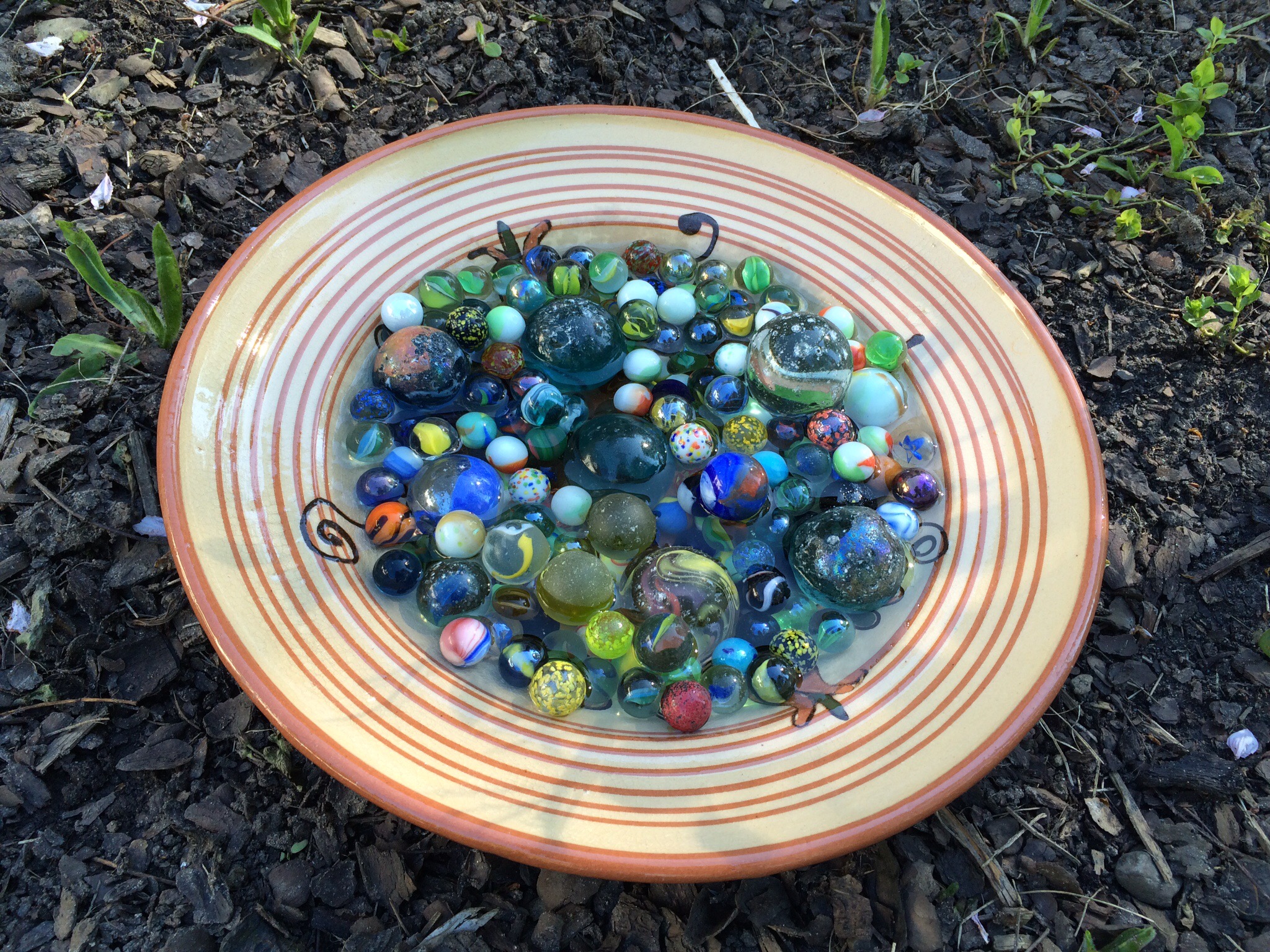
Jag läste det där och blev överlycklig, eftersom jag har en stor skål med sonens spelkulor i pannrummet i källaren. Han ville inte skänka bort dem, men använder dem inte längre. Men nu kom ett par handfull spelkulor till användning, och fatet som maken hittade ställd vid sidan av en av containrarna på vår lilla återvinningsstation (där det givetvis inte borde stått, eftersom det inte är en förpackning) var alldeles lagom grunt.


Bivattnare hos familjen Roth

 
Dessutom finns det lite andra väldigt enkla och smarta tips för att göra livet enklare för våra vänner pollinerarna. Bland annat att plantera blommor, inhemska helst, och att undvika att använda gifter i din täppa, oavsett om den består av en blomlåda på fönsterkarmen, en balkong eller stora trädgården. Vad mer kan man göra för att göra livet lite drägligare för pollinerande insekter?

Bygger regler inre självkännedom?

alex1Inga-Lill Lellky pingade mig på Twitter och undrade vad jag tyckte om Alex Schulmans krönika till svar på Fredrik 2.0, FB-statusen som snurrat runt i sociala media senaste veckan. Jag läste Fredrik 2.0 (och det är medvetet jag inte länkar och inte heller har delat inlägget) förra veckan och blev matt, men framför allt rädd. Rädd för vad jag läser in i det där, hans uppgivenhet inför vad det egentligen är han som lärare är där för, men än värre, rädd för tron att ordning och reda, att veta hut, att minsann lyda när någon pekar med hela handen, är lösningen, svaret på alla problem… Och i den fällan faller Alex Schulman också.

alex2Jag reagerar på dessa eviga krav på mer regler. Fler. Tydligare. Allomfattande. Det ska finnas regler för allt! Det är för mig ett rop på symtomlindring, istället för att gå på djupet och förstå vad problemet egentligen är och hur vi åtgärdar det.

Nämligen förståelse, eller kanske snarast brist på förståelse. Förståelse för och kontakt med min egen känsla av respekt, omsorg, kärlek. För är det inte det som dessa rop på hjälp egentligen syftar till? Är det inte det både Fredrik 2.0 och Alex önskar? Jag tror och hoppas det.

Den riktigt intressanta frågan blir ju då om regler bygger förståelse? 

Jag tror inte det. Jag tror inte regler bygger respekt, kärlek och inre självkännedom. Inte per automatik åtminstone. De kan vara en hjälp på vägen, visst. Men de är väl reaktiva till sin natur, är de inte det? Först när något inte fungerar som tänkt, kommer vi på tanken att skapa en regel för det, eller hur?

Alex3Inga bollar på gräsmattan. Din mamma jobbar inte här så städa undan efter dig i köket på jobb. Inga barnvagnar inne på caféet. Ta inte mer mat än du orkar äta upp. Räck upp handen om du vill prata i klassrummet, för du får absolut inte bara prata rätt ut. Ät inte med öppen mun. Bada inte förrän tidigast en timme efter du ätit.

Många regler blir det. Så lyckliga vi måste vara som har så många regler – vissa tydligt uttalade och andra outtalade – att förhålla oss till. Att lyda. Blint. För det måste väl vara poängen va?

Så hur gör man då när vi rör oss i sammanhang där det saknas tydliga och uttalade regler? Hur gör man då? Då är det grönt ljus, fritt fram för vadsomhelst, right? Eller neeeeeej, för höge farao, tänk själv! Men – hur ska jag kunna tänka själv om jag hårddrillats till att lyda, att följa regler? Hur gör man då? Ropar på än fler regler måhända? Och handen på hjärtat, jag är den förste att erkänna att det är ett ganska enkelt sätt att hantera det hela. Jag gör det själv. Om något är fel – skapa en regel. Stökigt i klassen? Skapa en regel som säger att det ska vara lugn och ro, tyst i klassrummet, händer i vädret om du vill säga något, ingen får komma försent osv osv osv. Det är garanterat jobbigare att ta reda på vad det där egentligen handlar om, anledningen till stöket. Ska man dessutom behöva titta inåt, fundera över varför jag har så lätt att ropa på fler regler, strängare krav, fundera över vad det egentligen handlar om, var kommer det ifrån inom mig? Jobbigt, var ordet. alex4
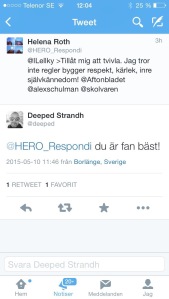
Istället för ropa efter hårdare tag och fler regler, är det inte den inre kompassen vi önskar att alla människor ska komma i kontakt med? Och där kan absolut regler fylla en funktion. Men då är det ju processen kring dem, samtalet om dem (Varför är de relevanta? Hur gör man för att vara i enlighet med dem? När är de tillämpliga? Ska jag blint följa dem, eller är det också något jag behöver lära mig?), både det inre och det yttre samtalet, som är viktigt. Det är ju där förståelsen kommer in. Insikten att jag är en människa, och det är du med. Förståelsen för det mellanmänskliga, vanan vid att både ta ansvar för mig och för oss. Inte att luta mig tillbaka i tron att någon annan ansvarar för ordning och reda. För det är risken jag ser. Att dessa krav på hårdare tag bara föder än mer passivitet, nånannanism och empatiskt outvecklade människor, som i sin tur ropar på än hårdare krav…. en ond spiral. En cirkel jag inte önskar. Jag önskar dess motsats. Jag vill se mer respekt för allt och alla, kärlek och inre självkännedom.

Och för dig som läser in i ovanstående att jag är helt emot regler och lagar, tycker vi ska vara helt fria att göra precis som vi vill när och var vi vill det: Nej, det är inte vad jag säger, inte alls. Jag säger bara att världen jag tror på, en mer kärleksfull värld, med respekt och inre självkännedom, inte skapas av tuffare tag. Jag ser inte hur det skulle leda till den värld jag önskar. Den värld där vi respekterar oss själva och varandra och för oss i världen utifrån en välfungerande inre kompass.

Hur skapar vi den världen? Är svaret på frågan verkligen mer regler och hårdare tag?

Thank you, Ed!

I just watched Citizenfour. From the get-go I had the feeling that this was gonna be one of those experiences which I would rather not have had, simply because I don’t want to live in a world as the one depicted. And it’s not just depicted as such, because it’s not a made-up story. It’s not fiction. It’s the way of the world.

But it’s not the world I want to live in. Sorry, but it just isn’t. Where some people deem themselves overlords over others. In some ways, I’m probably guilty of that myself – lording over others, people with lesser means than I have in one form or another. It still isn’t the direction I want to see the world evolve.

Anyway, watching this story of one man with such knowledge of what the system/s contain that he has no choice but to expose it, my heart goes out for him. But more than that, I am grateful for people like Edward Snowden and other whistleblowers, who put themselves at risk for the greater good.

BoldomaticPost_If-there-s-nothing-to-hide-thI am left with one lingering thought, which is likely the most naive stance to take, but yet, it’s my stance:
The only way to not have to worry about what get’s out where, is to be totally transparent. If there’s nothing to hide, there’s nothing you cannot stand for, is there? Then you wouldn’t have to sit at a congressional hearing and willfully lie to the people before you. You wouldn’t have to use shady ways of leaning on people to get them to back down and/or keep quiet.

But no, I don’t know if that’s even possible, if a government and it’s agencies can choose that path. I don’t know. Perhaps not. But I know I can. As an individual. Stand for what I do. Which doesn’t mean I display my every action, word, thought, but that I could. If called on them, I could. Because I stand for them, or at least that’s my intent. Being human, I stumble and fall, and take action in ways I regret, for sure, but that’s what being human is, isn’t it?

Anyway. I’d like to say thank you, Ed, for all that you did. For the risks you took, for the path of life – likely nowhere near the way you dreamt your life would turn out – you deliberately stepped upon, for the sake of us all. Thank you, Ed!

PS – Haven’t watched it yet? Do it. Just do it. Ok?

Podcast 18/52 – slow money while foraging

Today, as I was riding my bike home from singing with my choir in the church this morning, I stopped to pick stinging nettles and ground-elder. I am filling my freezer with quickly blanched nettles and ground-elder, to savor during the winter. And of course I am using the green gold on a weekly basis at home right now as well (green smoothies, pies and lots of other things).

nettles and ground-elder

So as I was picking I listened to Woody Tasch from Slow Money on Peak Prosperity, a podcast I’ve blogged about before. A lot of the episodes are way above my capacity, as it’s centered around economics, and I’m neither interested or knowledgeable about economics, I willingly admit. But this was really interesting. Slow Money is sort of the investment equivalent to Slow Food. In the words of the organization itself:

Slow Money catalyzes the flow of capital to local food enterprises and organic farms, connecting investors to the places where they live and “bringing money back down to earth”.

There’s been two episodes recorded with Woody, but I listened to the most recent one, from 2014, so scroll down a bit on the page to find it. 

And possibly, the reason this episode was right up my alley is perhaps because:

This is about culture. This isn’t about economics. It’s about what’s more important, economics or culture? And guess what? In the United States, we have spent the last hundred years proving to ourselves that economics is much more important than culture. 

And yes. It’s very deliberate that Woody speaks about culture, the word that both brings with it images of tilling the land, growing food and other useful plants, as well as the customs of the society I live and work in. And for me, it’s not an issue I have to think long and hard upon. Culture is more important that economics. Economics is a part of culture, and the culture within the economic system is part of the problem for sure. So there’s a challenge for us, to change that culture. That’s part of the reason why Peak Prosperity exist in the first place.

What’s more important for you? Culture or economics?